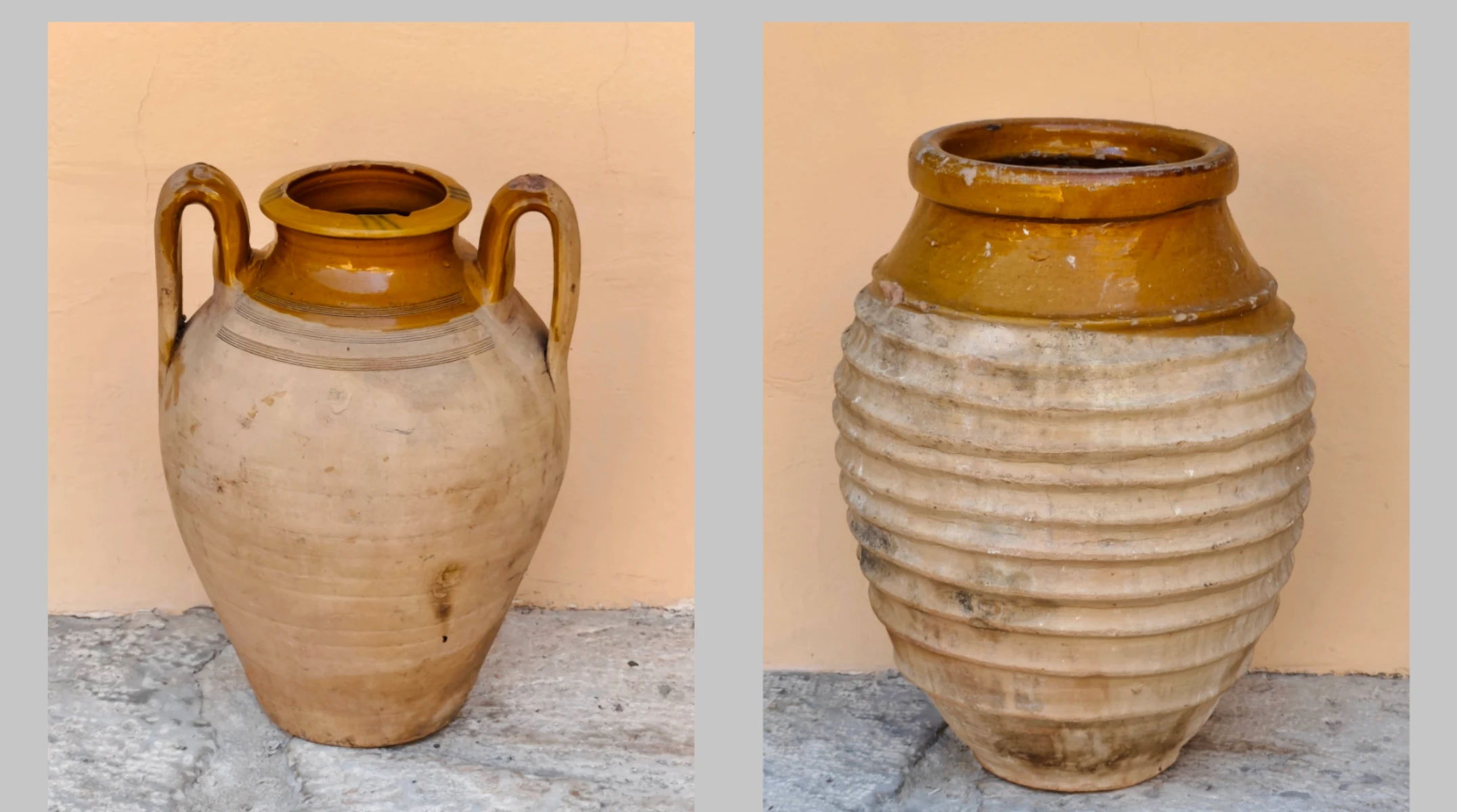
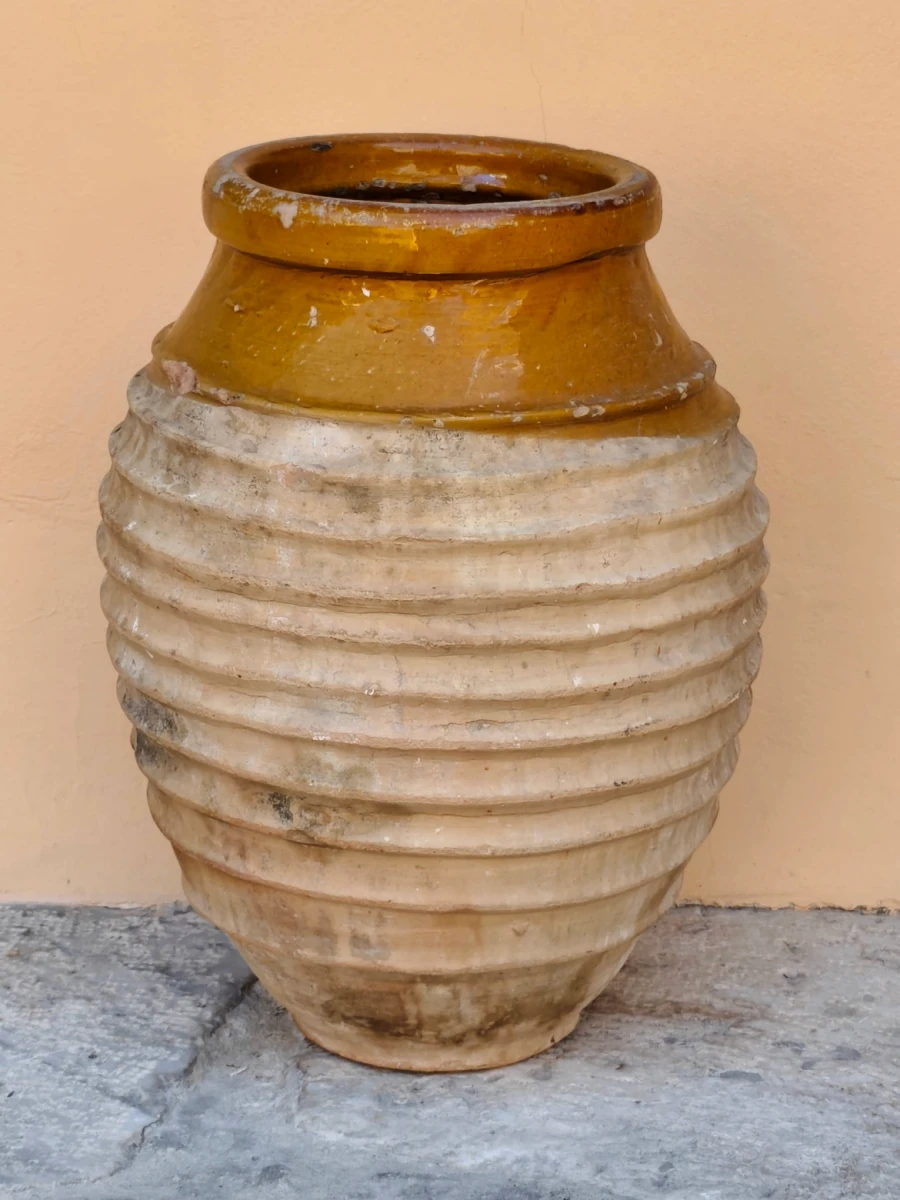
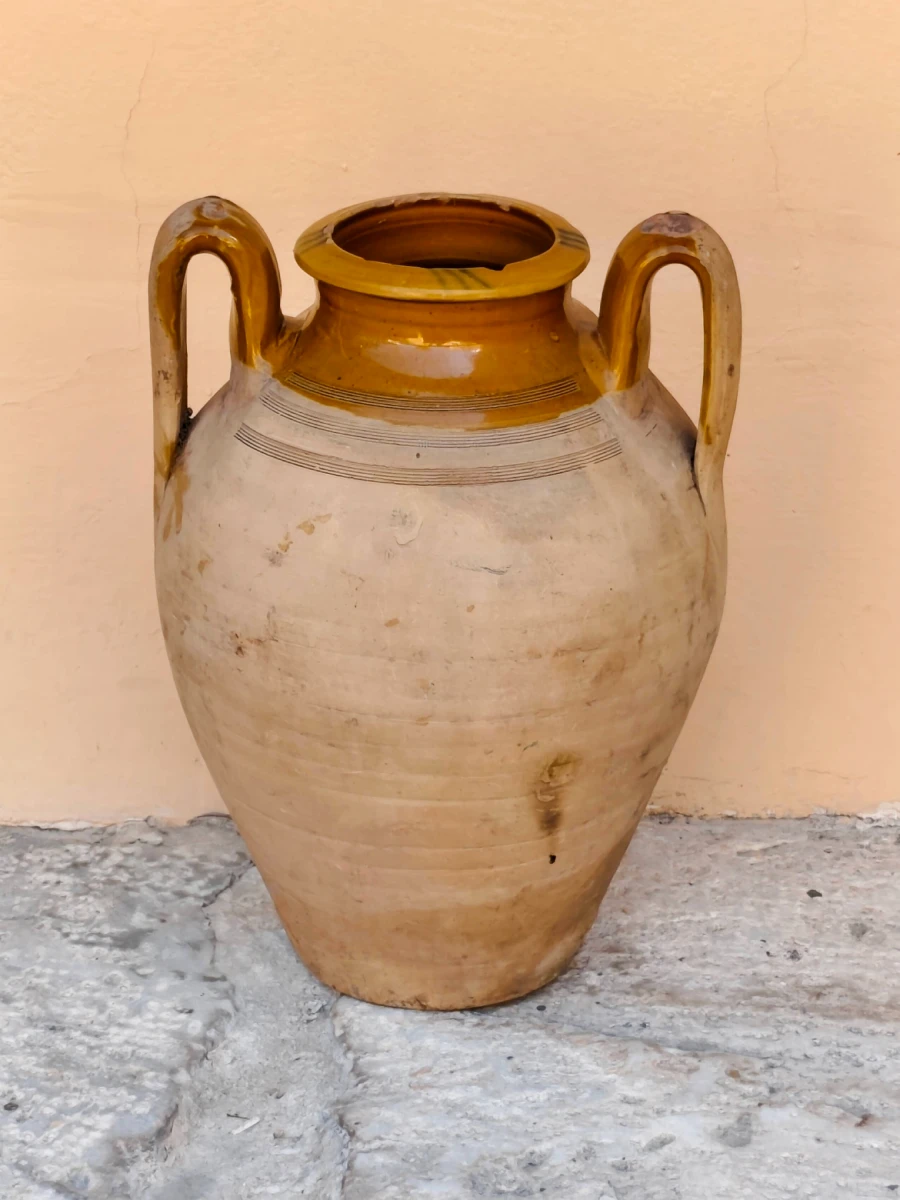
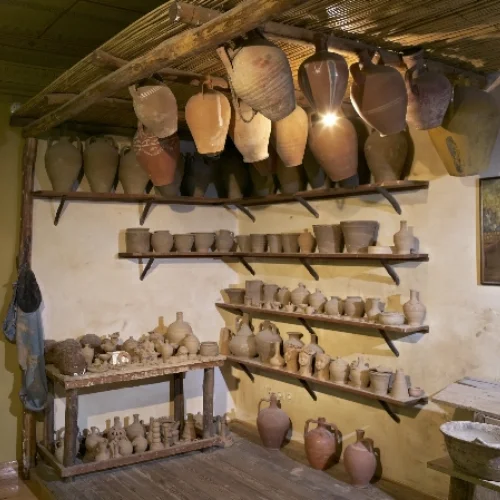
Two pieces of ceramics from Messinia, a “bomaki” and a “pitcher,” traveled to Rome as a permanent donation to the newly established Museum of Agricultural Heritage and Nutrition of the Food and Agriculture Organization of the United Nations (FAO MuNe).
Ceramics have always been linked to agricultural production and food storage. The region of Koroni, in Messinia, was one of the most important olive-producing regions of the Mediterranean. The large production of olive oil led to the development of ceramics.
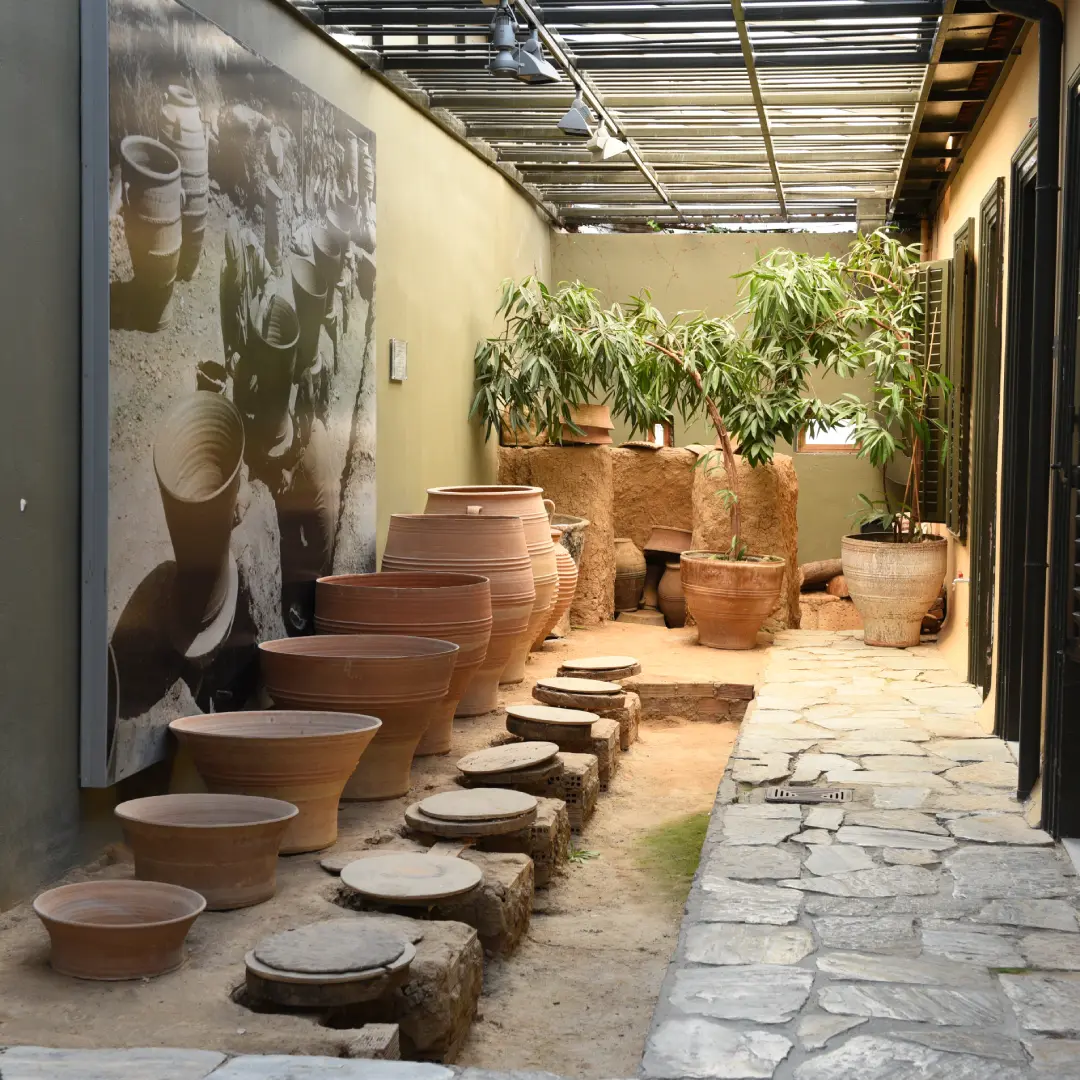
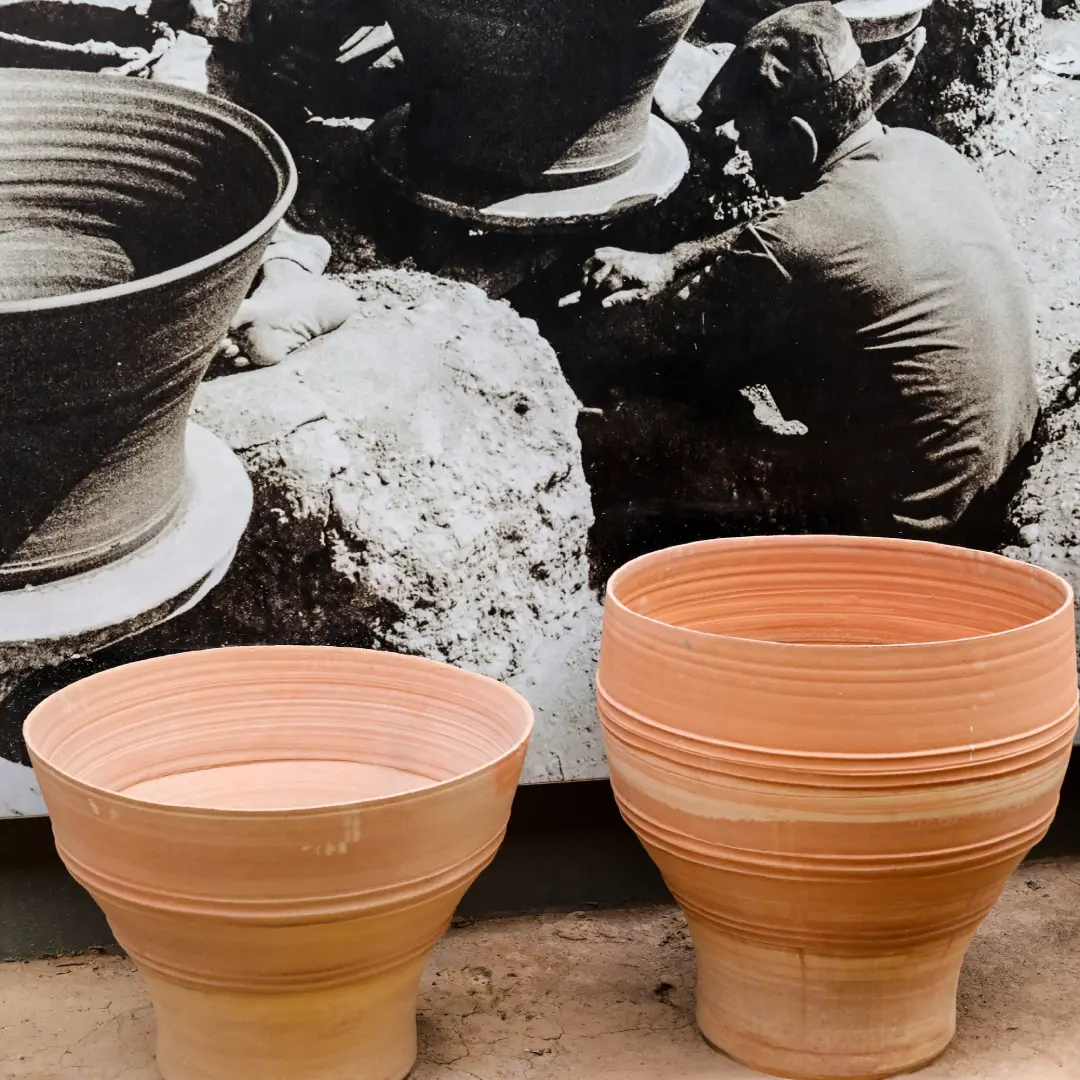
The villages of Koroni, in modern times, were important pottery centers. Messinian potters made vases using two different techniques. Medium- and large-sized ceramics, such as jars, were handmade using the ancient coil-building technique. The potter built the vessel by turning it himself and placing coils of clay, one on top of the other. Smaller-sized ceramics, such as pitchers, were thrown on the wheel.
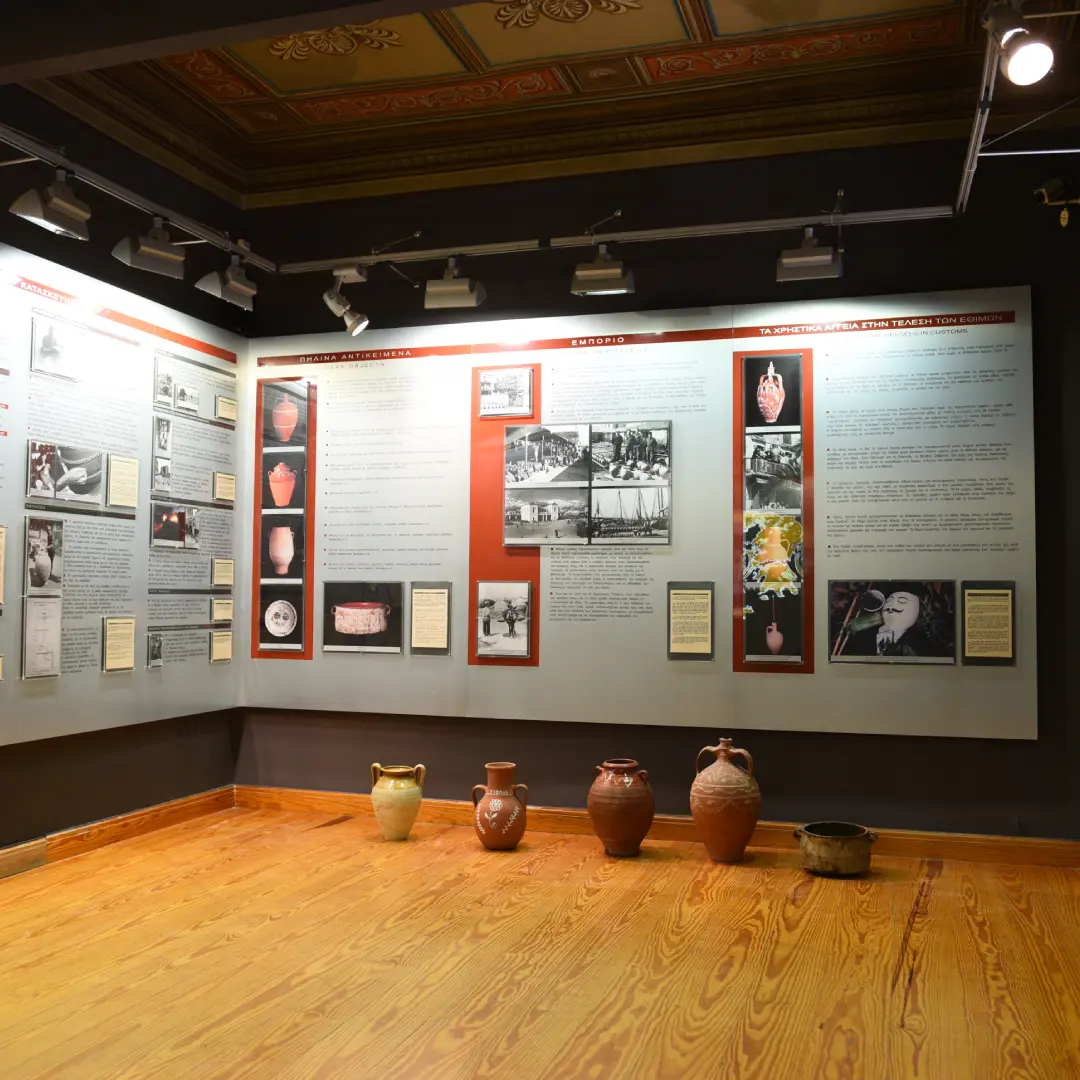
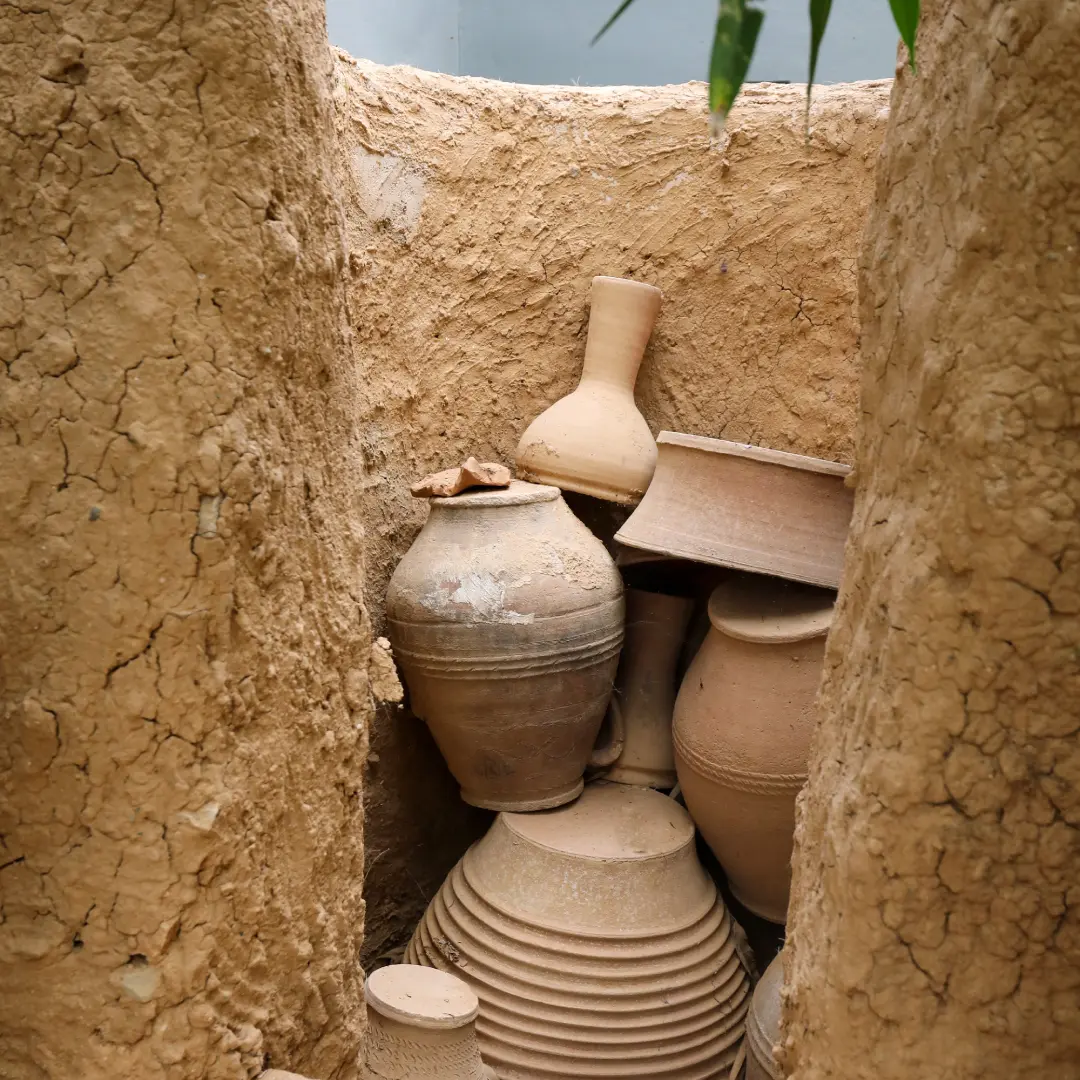
These vessels were used to store olive oil, edible olives, wine, cheese, water, and other edibles. Messinian ceramics were transported and sold throughout the Eastern Mediterranean. Their trade led to economic prosperity of the villages of Messinia in modern times.
The “bompaki” is a medium-sized storage vessel, made using the handmade technique from yellowish, local clay. They used to store olive oil in the “bompaki.”
The “stamna” is a small storage vessel, made on the wheel from yellowish, local clay. The “pitcher” was used to store olives.
The donation of the Messinian ceramics to the FAO Museum and Network on Food and Agriculture was made jointly by the Captain Vasilis & Carmen Constantakopoulou Foundation andthe Center for the Study of Modern Ceramics – E. G. Psaropoulos Foundation.